Designing a home is an exciting process, but it can also become overwhelming. From choosing colours and furniture to planning storage, lighting and layouts, every decision can affect how comfortable and practical your home feels.
A professional interior designer can bring structure to this process. Instead of making design decisions one by one, homeowners can work with someone who understands how different elements come together to create a balanced and functional space.
Whether you are building a new home, renovating an existing one or simply looking for a complete makeover, hiring the right professional can make the experience more organised and personalised.
What Does a Residential Interior Designer Do?
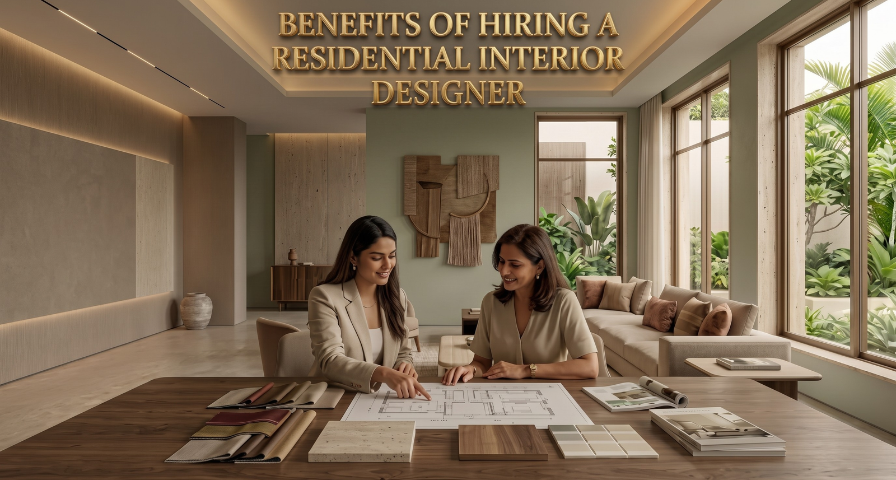
A residential interior designer helps plan and develop the interiors of homes based on the homeowner’s lifestyle, preferences and practical requirements.
Their work can include space planning, furniture selection, colour schemes, lighting, materials, finishes, storage and customised furniture. They may also coordinate with contractors and other professionals involved in executing the design.
The goal is not simply to make a home look attractive. A well-designed interior should also be comfortable, practical and suitable for everyday living.
8 Benefits of Hiring a Residential Interior Designer
1. Creates a Well-Planned and Functional Space
Good interior design starts with understanding how a space will actually be used. A designer can consider movement, furniture placement, storage and the needs of everyone living in the home.
This can help avoid layouts that look good but are inconvenient in daily life. Every area, from the living room to the bedroom and kitchen, can be planned around its intended purpose.
The result is a home that feels organised while making better use of the available space.
2. Saves Time and Reduces Design Stress
Homeowners often have to make hundreds of decisions during an interior project. Selecting materials, comparing furniture, coordinating workers and deciding between different design options can take considerable time.
An interior designer can help simplify these choices by understanding the homeowner’s preferences and presenting suitable options.
Having a structured process also means homeowners do not have to manage every design-related detail themselves, making the overall experience easier to handle.
3. Helps You Make Better Budget Decisions
A beautiful interior does not necessarily require spending money on every available design feature. Professional guidance can help homeowners decide where their budget should be prioritised.
For example, durable materials may be more important in frequently used areas, while certain decorative elements can be kept simple.
Planning the project carefully can also help reduce unnecessary purchases and avoid expensive changes later in the process.
4. Brings Professional Design Expertise
Interior designers understand how different elements work together. Proportions, colours, textures, furniture, lighting and finishes all contribute to the overall appearance of a room.
A professional can help create consistency between different areas of the home while still giving each room its own character.
They can also bring ideas that homeowners may not have considered, particularly when working with unusual layouts, limited space or specific lifestyle requirements.
5. Provides Custom Design Solutions
Every home has different requirements. Standard furniture and storage solutions may not always fit perfectly, especially when dealing with awkward corners, compact rooms or specific storage needs.
A designer can recommend customised solutions such as built-in storage, made-to-measure furniture and personalised layouts.
This allows the available space to work around the homeowner rather than forcing the homeowner to adapt to standard solutions.
6. Helps Select Suitable Materials and Finishes
Choosing materials can be confusing because there are countless options available. Flooring, wall finishes, furniture materials, fabrics, hardware and lighting all need to work together.
A designer can help narrow these choices according to the home’s style, usage and budget.
The focus should be on finding options that offer an appropriate balance between appearance, practicality and long-term usability.
7. Coordinates Contractors and Project Execution
Interior design does not end with creating a concept. The design also needs to be translated into the actual space.
Depending on the scope of the project, several professionals may be involved, including carpenters, electricians, painters and contractors.
A designer can help coordinate different aspects of the work and keep the execution aligned with the intended design. This can make it easier to identify issues and maintain consistency throughout the project.
8. Creates a Home That Reflects Your Lifestyle
One of the biggest advantages of professional interior design is personalisation.
A home should reflect the people who live in it. Someone who works from home may need a dedicated workspace, while a family may require additional storage or flexible living areas.
A designer can take these everyday requirements into account while developing the overall aesthetic.
The result can be a home that feels personal rather than simply following a popular design trend.
Residential Interior Designer vs DIY Home Design
DIY interior design can be enjoyable, especially for smaller updates and decorative changes. However, managing an entire home project requires time, planning and coordination.
With DIY Home Design:
- You manage most design decisions yourself.
- Researching furniture, materials and finishes can take considerable time.
- Trial and error may be part of the process.
- You are responsible for coordinating different workers and suppliers.
- Maintaining a consistent design across every room can be challenging.
With a Professional Interior Designer:
- A designer guides you through important design decisions.
- The project follows a more structured planning process.
- Professional experience can help refine layouts, materials and furniture choices.
- A designer can assist with coordination during project execution.
- Different rooms can be connected through a cohesive overall design.
The right approach depends on the size and complexity of your project, budget, available time and comfort level with managing the design process. For smaller changes, DIY can work well, while larger renovations may benefit from professional guidance.
When Should You Hire a Residential Interior Designer?
Professional guidance can be particularly useful when:
- You are moving into a new home
- You are planning a complete renovation
- Your home has limited or unusual space
- You need customised storage
- You want a cohesive design across multiple rooms
- You have a defined budget that needs careful planning
- You do not have enough time to manage the project yourself
- You need support with project coordination
For homeowners planning a complete residential project, working with a residential interior designer in Mumbai can also provide an understanding of local homes, available materials, vendors and project requirements.
How to Choose the Right Interior Designer
Choosing an interior designer is an important decision because you will be working together throughout the project. Start by reviewing their previous work and looking for projects that reflect your preferred style.
It is also useful to discuss your budget, expectations, timeline and lifestyle requirements at the beginning.
Before making a decision, consider:
- Portfolio and previous projects
- Experience with similar residential spaces
- Design approach and communication style
- Services included in the project
- Budget planning and transparency
- Project timeline
- Execution and coordination process
- Client reviews and testimonials
A good working relationship matters just as much as design expertise. Clear communication can make it easier to turn your ideas into a home that works for you.
Conclusion
Hiring a residential interior designer can bring more structure, creativity and practicality to the process of creating a home. From planning the layout and selecting materials to developing personalised spaces and coordinating execution, professional guidance can help homeowners make informed design decisions.
At Shivam Craft Studio, the focus is on creating thoughtfully designed residential spaces that balance aesthetics, functionality and the individual needs of each homeowner. A well-designed home is not only about how it looks, but also about how naturally it fits into everyday life.
Frequently Asked Questions
1. What are the benefits of hiring a residential interior designer?
A residential interior designer helps with space planning, material selection, budgeting, furniture, storage and project coordination, creating a home that is functional, personalised, visually balanced and practical for everyday living.
2. Is hiring an interior designer worth it for a home?
Hiring an interior designer can be worthwhile for homeowners who want professional guidance, better space utilisation, personalised solutions and support with design decisions, budgeting and project execution.
3. What services does a residential interior designer provide?
Residential interior designers may provide space planning, colour selection, furniture design, storage solutions, material and finish selection, lighting guidance, customised furniture and coordination during the execution of the project.
4. Can an interior designer create customised furniture?
Yes, interior designers can plan customised furniture based on room dimensions, storage requirements, lifestyle needs and preferred aesthetics, helping homeowners make effective use of available space.
5. When should I hire an interior designer for my home?
Ideally, hire an interior designer before renovation or construction begins. Early involvement allows the layout, materials, furniture, storage and other design elements to be planned together.