When planning a new home or renovating an existing one, many homeowners wonder whether they really need an interior designer. An interior designer does much more than select furniture, colors, or decorative pieces. They help bring together the practical and visual aspects of a home so that the space feels comfortable, organized, and personal.
From understanding your lifestyle to planning layouts, selecting materials, and coordinating execution, an interior designer can simplify many decisions involved in creating a home. Here is a simple guide to understanding what they actually do and how they can help homeowners.
What Does an Interior Designer Do?
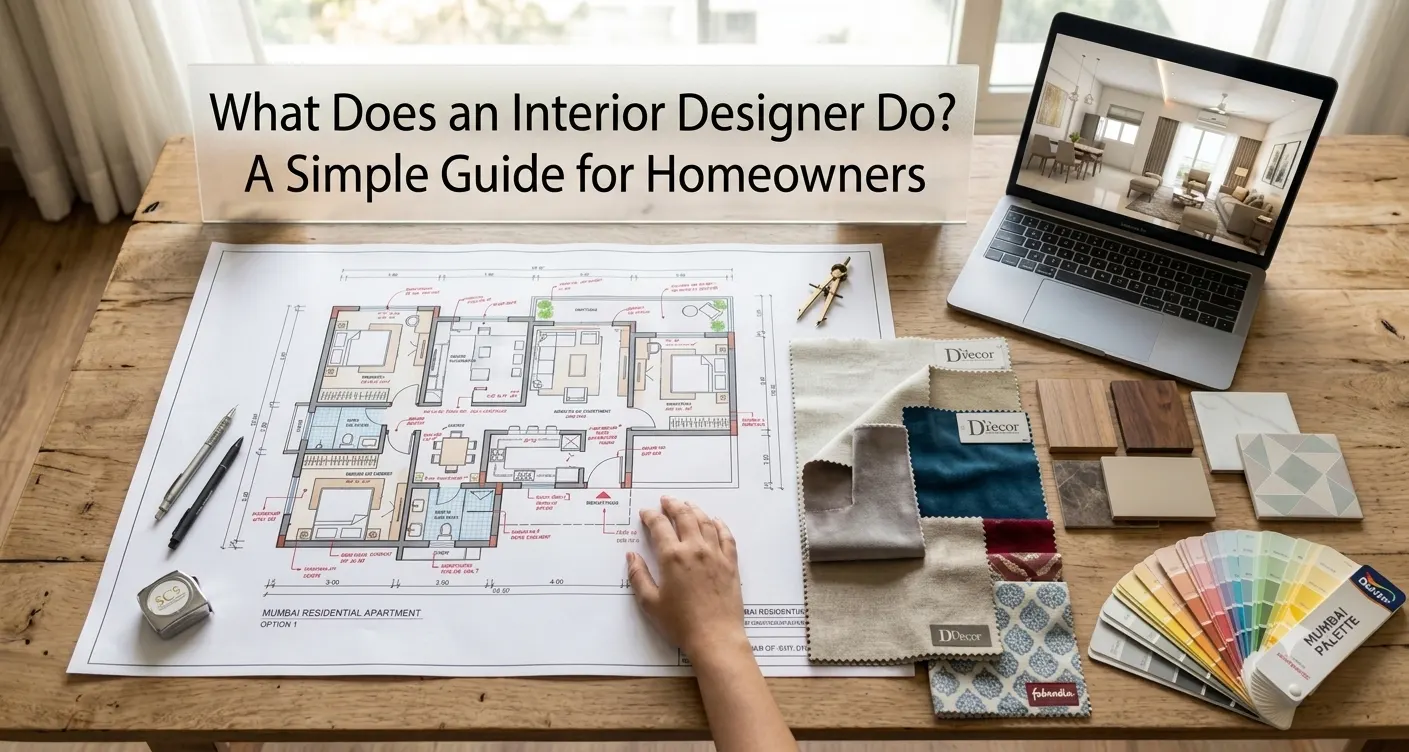
An interior designer plans and develops the look, feel, and functionality of an interior space. Their work begins with understanding the homeowner’s needs, preferences, lifestyle, and budget.
They consider how each room will be used and then create a design that balances comfort, appearance, storage, movement, and practicality. Depending on the project, they may also help with furniture, lighting, materials, finishes, and coordination during execution.
In simple terms, an interior designer helps turn an empty, outdated, or poorly planned space into a home that works well for the people living in it.
What Are the Main Responsibilities of an Interior Designer?
Understanding Your Needs and Lifestyle
Every home is different because every family has different needs. An interior designer begins by discussing your lifestyle, daily routines, preferences, family size, storage requirements, and priorities.
For example, a family with children may need durable materials and additional storage, while someone working from home may want a comfortable and practical workspace. Understanding these details helps create a design that feels genuinely personal.
Planning the Space
Good interior design starts with making the best use of available space. An interior designer considers furniture placement, walking areas, storage, room proportions, and how different spaces connect with one another.
This can be particularly useful in smaller homes, where thoughtful planning can make rooms feel more open and functional without unnecessary additions.
Creating the Design Concept
Once the requirements are clear, the designer develops an overall design direction. This can include colors, textures, furniture styles, lighting ideas, wall treatments, and materials.
The objective is not simply to make a room attractive. The elements should work together while reflecting the homeowner’s personality and creating a comfortable environment.
Selecting Materials, Furniture, and Finishes
Choosing materials and furnishings can become overwhelming because homeowners have countless options. An interior designer can help narrow these choices according to the design, budget, durability, and intended use of each space.
This may include flooring, wall finishes, fabrics, lighting fixtures, furniture, wardrobes, kitchen finishes, and decorative elements.
Coordinating the Execution
Designing a space is only one part of the process. The plans also need to be implemented properly.
Depending on the scope of work, an interior designer may coordinate with contractors, carpenters, electricians, painters, suppliers, and other professionals. This helps ensure that the different aspects of the project move in the right direction and stay aligned with the approved design.
What Does an Interior Designer Do During a Home Project?
The exact process can vary, but a typical home interior project may involve several stages:
- Initial consultation: Understanding your requirements, lifestyle, preferences, and expectations.
- Budget discussion: Establishing priorities and creating a realistic direction for the project.
- Space planning: Deciding how rooms, furniture, storage, and other elements should be arranged.
- Design development: Creating the visual direction for the home.
- Material selection: Choosing suitable finishes, furniture, fixtures, and other elements.
- Design approval: Reviewing the proposed design and making necessary adjustments.
- Execution and coordination: Helping implement the approved design.
- Final styling and handover: Completing the details that bring the overall design together.
This structured approach can make a complicated home project easier to understand and manage.
What Is the Difference Between an Interior Designer and an Interior Decorator?
The terms are sometimes used interchangeably, but their roles can be different.
An interior decorator generally focuses more on the appearance of an existing space, such as furniture, fabrics, colors, accessories, and decorative elements.
An interior designer typically takes a broader approach. They may work on space planning, layouts, storage, lighting, materials, furniture, finishes, and coordination of the overall project.
If you only want to refresh the appearance of an already functional room, a decorator may be suitable. If you are planning a complete renovation or want to improve both functionality and aesthetics, an interior designer may be more appropriate.
When Should You Hire an Interior Designer?
Hiring an interior designer can be useful at different stages of homeownership. You may consider professional help when:
- Building a new home
- Renovating an existing property
- Moving into a new apartment
- Redesigning an outdated home
- Struggling to use available space effectively
- Planning a customized kitchen or wardrobe
- Creating dedicated work or study areas
- Managing a complete home renovation
- Wanting professional coordination during execution
You do not necessarily need to wait until construction or renovation begins. In many cases, involving a designer early can help you make better-informed decisions from the beginning.
What Are the Benefits of Hiring an Interior Designer?
Better Use of Available Space
Professional planning can help make rooms more functional by considering furniture placement, movement, storage, and everyday activities.
A Design That Matches Your Lifestyle
A beautiful home should also be comfortable to live in. A designer considers how you actually use your home rather than following trends blindly.
Better Material and Furniture Decisions
With many materials, finishes, and furniture options available, professional guidance can make the selection process less confusing and more focused.
Greater Design Consistency
A designer can help different rooms feel connected through thoughtful choices of colors, materials, furniture, and finishes.
Help With Budget Planning
Discussing your priorities early can help you understand where to invest more and where simpler alternatives may be suitable.
Less Stress During Execution
Home projects involve multiple decisions and professionals. Having someone coordinate different aspects can reduce the burden on homeowners.
Professional Coordination
When several people are involved in a project, coordination becomes important. An experienced designer can help keep the design vision consistent throughout the process.
How Much Involvement Does an Interior Designer Have?
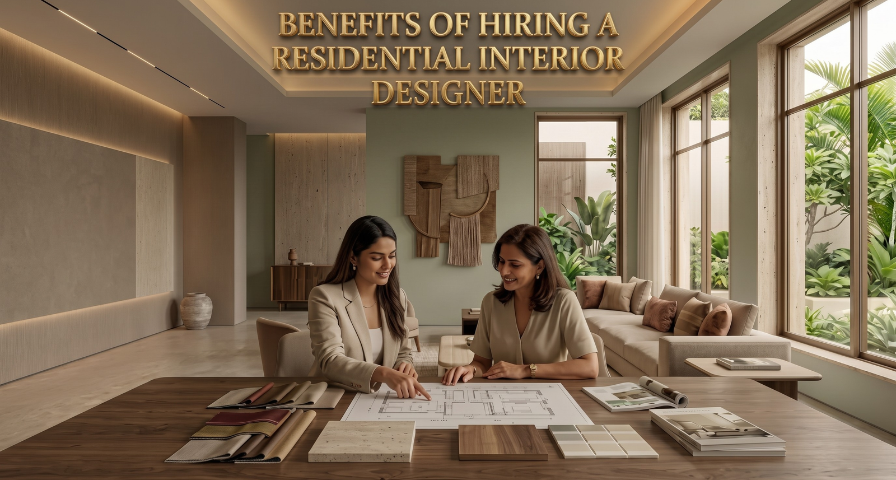
Not every homeowner needs the same level of assistance. Some may only need design advice and space planning, while others may want support with materials, furniture, and execution.
Depending on your requirements, an interior designer may offer:
- Design consultation
- Space planning
- Complete design development
- Material and furniture selection
- Design and execution
- Complete turnkey interior projects
Before hiring someone, it is important to understand exactly what their service includes.
How to Choose the Right Interior Designer for Your Home
When choosing an interior designer for home projects, look for someone who understands your requirements, lifestyle, budget, and design preferences. Review their previous projects to see whether their design approach matches your expectations.
It is also important to discuss the scope of work, estimated timeline, material selection, execution process, and communication before starting. A good designer should listen to your ideas while offering practical suggestions based on the space.
Most importantly, choose a professional who values transparency, understands your priorities, and can coordinate the project carefully from the initial design stage through execution.
Questions to Ask Before Hiring an Interior Designer
Before starting a project, consider asking:
- What services are included in your scope of work?
- Can you work within my planned budget?
- How do you manage the execution process?
- Who coordinates with contractors and vendors?
- How are materials and finishes selected?
- What timeline should I expect?
- How will we communicate throughout the project?
Clear answers to these questions can help establish realistic expectations from the beginning.
Is Hiring an Interior Designer Worth It?
For many homeowners, the value of an interior designer goes beyond creating a visually appealing home. Professional planning can help bring together functionality, comfort, aesthetics, material choices, and execution.
A designer can also help homeowners approach the project with a clearer plan rather than making individual decisions room by room. The right professional can turn your ideas into a cohesive home while helping you navigate the many choices involved in a renovation or new interior project.
Conclusion
An interior designer’s role is ultimately about creating a home that looks beautiful while working well for everyday life. From understanding your lifestyle and planning the space to selecting materials and coordinating execution, their involvement can make the entire process more organized and purposeful.
For homeowners looking for thoughtful, personalized, and well-planned interiors, Shivam Craft Studio can help transform ideas into spaces designed around the way you live.
Frequently Asked Questions
1. What does an interior designer do for a home?
An interior designer plans and coordinates a home’s layout, colors, materials, furniture, lighting, storage, and overall style to create a space that is functional, comfortable, and visually appealing.
2. Why should I hire an interior designer for my home?
An interior designer can help you make better use of available space, select suitable materials, coordinate different aspects of the project, and create a cohesive design based on your lifestyle and budget.
3. When should I hire an interior designer?
Ideally, hire an interior designer before construction, renovation, or major changes begin. Early involvement allows better space planning, budgeting, material selection, and coordination throughout the project.
4. Is hiring an interior designer worth it for a small home?
Yes, professional interior design can be valuable in smaller homes because thoughtful space planning, smart storage, appropriate furniture, and functional layouts can help maximize limited space effectively.
5. What is the difference between an interior designer and an interior decorator?
An interior designer typically handles broader aspects such as space planning, layouts, materials, furniture, and execution, while an interior decorator mainly focuses on aesthetics, furnishings, colors, and decorative elements.