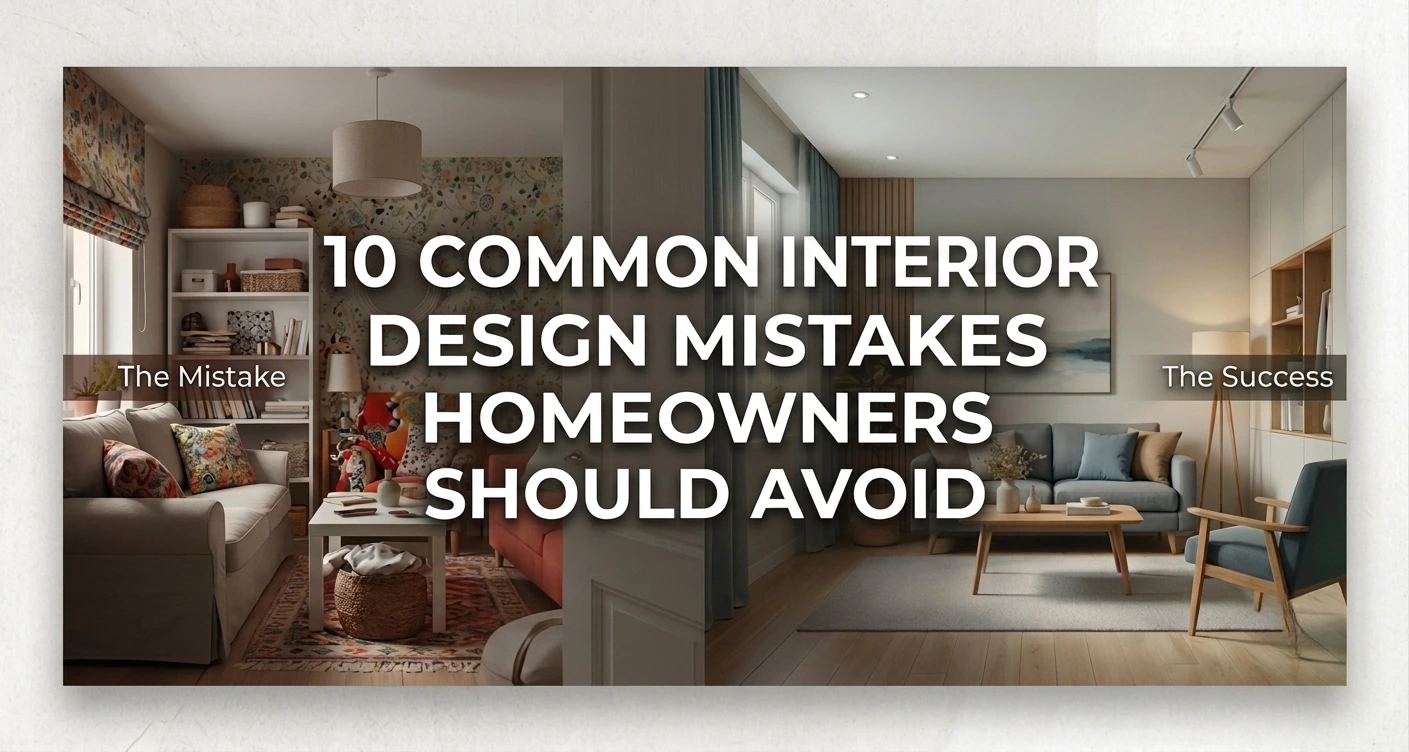
Creating a beautiful home is about more than choosing stylish furniture or following the latest décor trends. A well-designed interior should feel comfortable, functional, balanced, and suited to the way you live. However, small planning oversights can affect how a space looks and works.
From selecting furniture that is too large to overlooking storage and lighting, homeowners often make decisions that seem minor but have a noticeable impact on the finished space. Understanding these common interior design mistakes can help you create a home that feels thoughtfully planned and comfortable for years to come.
1. Skipping a Proper Space Plan
One of the biggest mistakes homeowners make is buying furniture before considering the overall room layout. A sofa may look perfect in a showroom but leave very little space to move around once it is placed in your living room.
Before purchasing anything, measure the room and consider doors, windows, walkways, and existing fixtures. Think about how people will move through the space and where each piece of furniture will serve a purpose. A simple layout plan can prevent overcrowding and make the room feel more open.
2. Choosing Furniture That Is the Wrong Size
Furniture should complement the proportions of the room. An oversized sofa can make a small living room feel cramped, while furniture that is too small may make a large room appear empty.
Always measure both your room and the furniture before making a purchase. Consider the height, width, depth, and space required around each piece. Leaving comfortable walking areas also makes everyday movement easier.
The goal isn’t to fill every corner. It is to create a comfortable balance between furniture and open space.
3. Using Poor or Insufficient Lighting
Lighting can completely change the atmosphere of an interior, yet it is often treated as an afterthought. Relying on a single ceiling light can make a room feel flat and uncomfortable.
Instead, combine different types of lighting based on how the room is used. General lighting can brighten the space, task lighting can support activities such as reading or cooking, and decorative lighting can add warmth and character.
Also make the most of natural light wherever possible. The right combination of natural and artificial lighting can make even a simple interior feel more inviting.
4. Following Trends Instead of Your Home’s Needs
Interior trends can provide inspiration, but copying a trend from social media or a magazine does not necessarily mean it will work in your home.
Your lifestyle should come first. A family with young children may need durable materials and practical storage, while someone who works from home may need a comfortable and well-planned workspace.
Choose timeless elements for major investments and introduce trends through smaller details such as cushions, artwork, accessories, or movable furniture. This makes it easier to refresh your interior without redesigning the entire home.
5. Ignoring Colour and Material Coordination
Using too many colours, patterns, or finishes can make a room feel visually busy. On the other hand, using exactly the same colour and material everywhere can make it feel flat.
A balanced interior usually has a clear colour direction. Start with a few base colours and introduce complementary shades through furniture, fabrics, artwork, and accessories.
Materials also matter. Combining wood, fabric, glass, metal, stone, and other textures can add depth while maintaining a cohesive look. The key is coordination rather than perfect matching.
6. Prioritising Looks Over Functionality
A home can look beautiful in photographs but still be frustrating to live in. This happens when appearance is prioritised over everyday needs.
Think about how each room will actually be used. Can you comfortably open the wardrobe? Is there enough space around the dining table? Can you easily clean the surfaces? Does the living room provide enough seating?
Good interior design should support your daily routine. A beautiful space becomes much more valuable when it is equally comfortable and practical.
7. Neglecting Storage Requirements
Insufficient storage is one of the quickest ways to make an otherwise attractive home look cluttered. Storage should therefore be considered during the initial planning stage rather than added as an afterthought.
Look for opportunities to use wardrobes, cabinets, drawers, shelves, and built-in units efficiently. In smaller homes, consider furniture that provides additional storage without taking up unnecessary floor space.
Well-planned storage keeps everyday items organised while allowing the visible parts of your home to remain clean and refined.
8. Hanging Artwork and Décor at the Wrong Height
Artwork and wall décor can add personality to a room, but incorrect placement can disturb the visual balance.
Artwork that is hung too high may feel disconnected from the furniture below it. Similarly, pieces that are too small for a large wall can appear insignificant.
Consider the furniture, wall size, and surrounding elements before deciding on placement. Instead of treating each wall separately, look at the room as a whole and aim for a balanced visual arrangement.
9. Buying Everything From One Place
Purchasing an entire room from one furniture collection may seem convenient, but using identical styles throughout can make an interior feel predictable.
A more personalised home often comes from combining different shapes, textures, materials, and finishes. For example, contemporary furniture can work beautifully with traditional artwork or natural wooden elements.
This doesn’t mean everything needs to be different. Choose a consistent design direction and then introduce carefully selected variations to create character and depth.
10. Not Considering the Overall Flow of the Home
Each room may have its own purpose, but the home should still feel connected. When every room follows a completely different colour scheme or design style, the transition can feel disconnected.
Think about how colours, materials, flooring, lighting, and furniture styles relate to one another throughout the home. You don’t need to make every room identical. Instead, repeat subtle elements to create continuity.
A consistent design language helps the home feel intentional rather than like a collection of unrelated rooms.
How to Avoid Interior Design Mistakes
Before finalising your home interior, take a step back and review the overall plan. Ask yourself:
- Have all rooms been measured properly?
- Does the furniture fit comfortably within each space?
- Is there enough storage for everyday belongings?
- Does each room have suitable lighting?
- Is the colour palette cohesive?
- Does the design reflect your lifestyle?
- Do the different rooms feel connected?
Taking time to answer these questions can prevent expensive changes later and help you make more confident design decisions.
Conclusion
Designing a home is a personal process, and there is no single formula that works for everyone. The best interiors balance visual appeal with comfort, functionality, proportion, and the homeowner’s lifestyle.
By planning your layout carefully, choosing appropriately sized furniture, considering lighting and storage, and creating continuity between rooms, you can avoid many costly design problems. Thoughtful decisions made early can help create a home that feels elegant, comfortable, and genuinely yours.
For homeowners seeking professional interior design guidance from Shivam Craft Studio, thoughtful design, renovation planning, and detailed execution come together to create spaces that feel refined, functional, and personal.
Frequently Asked Questions
1. What are the common mistakes to avoid in house interior design?
Common mistakes include poor space planning, choosing oversized furniture, inadequate lighting, ignoring storage, using too many colours, following trends blindly, and prioritising appearance over everyday functionality.
2. How can I make my home interior look more balanced?
Create balance by choosing appropriately sized furniture, maintaining a cohesive colour palette, mixing textures, leaving enough open space, and distributing furniture and décor evenly throughout each room.
3. How many colours should I use in an interior?
Using three to four complementary colours can create a cohesive interior without making the space feel overwhelming. Use neutral shades as a base and introduce stronger colours through accents.
4. Should functionality or aesthetics come first in interior design?
Functionality should come first because a home needs to support everyday activities. Once practical requirements are addressed, furniture, colours, materials, and décor can enhance the overall aesthetic.
5. How can I prevent my home from looking cluttered?
Plan sufficient storage, avoid overcrowding rooms, keep frequently used items organised, and leave some surfaces and floor areas clear. A balance of open and filled spaces creates visual calm.